
Unlock Better Opportunities with Our Comprehensive Nutrition and Dietetics Course in India
According to the India Fitness Market Report 2025 by Deloitte India and the Health and Fitness Association, India’s fitness industry is projected to grow from INR 16,200 crore to INR 37,700 crore by 2030. Nutrition is central to that expansion. Qualified nutrition professionals are in consistent and growing demand across the sector.
K11 Fitness Academy’s Human Performance Nutrition (HPN) Certification is designed for professionals who intend to meet that demand. The programme delivers science-based curriculum and internationally recognised accreditation. It comprises 153 hours of face-to-face instruction, developing both the knowledge and the practical competence required to work as a certified nutrition professional in India.
The programme is suitable for fitness trainers seeking formal nutrition credentials, career-switchers entering the industry, and healthcare workers integrating dietary practice into their work. Existing certified nutritionists pursuing a higher accreditation standard will also find the HPN structured for their needs.
What Is the Human Performance Nutrition Certification?
The Human Performance Nutrition course is the science of applying food and nutrition to support physical performance, body composition, and overall human health. This positions the HPN Certification clearly within the field of nutrition and dietetics.
It is not a clinical dietetics degree, which addresses therapeutic dietary management in hospital settings. Nor is it limited to a single sub-application. The programme is comprehensive: it addresses macronutrient science, physiological biochemistry, body composition assessment, personalised nutrition planning, supplementation, and professional counselling practice.
K11 Fitness Academy holds a PD:Approval (UK) Outstanding Grade, awarded continuously since 2019. This confirms that the HPN curriculum meets the standards of an internationally recognised quality assurance body. It is an external audit, not a self-assessed credential.
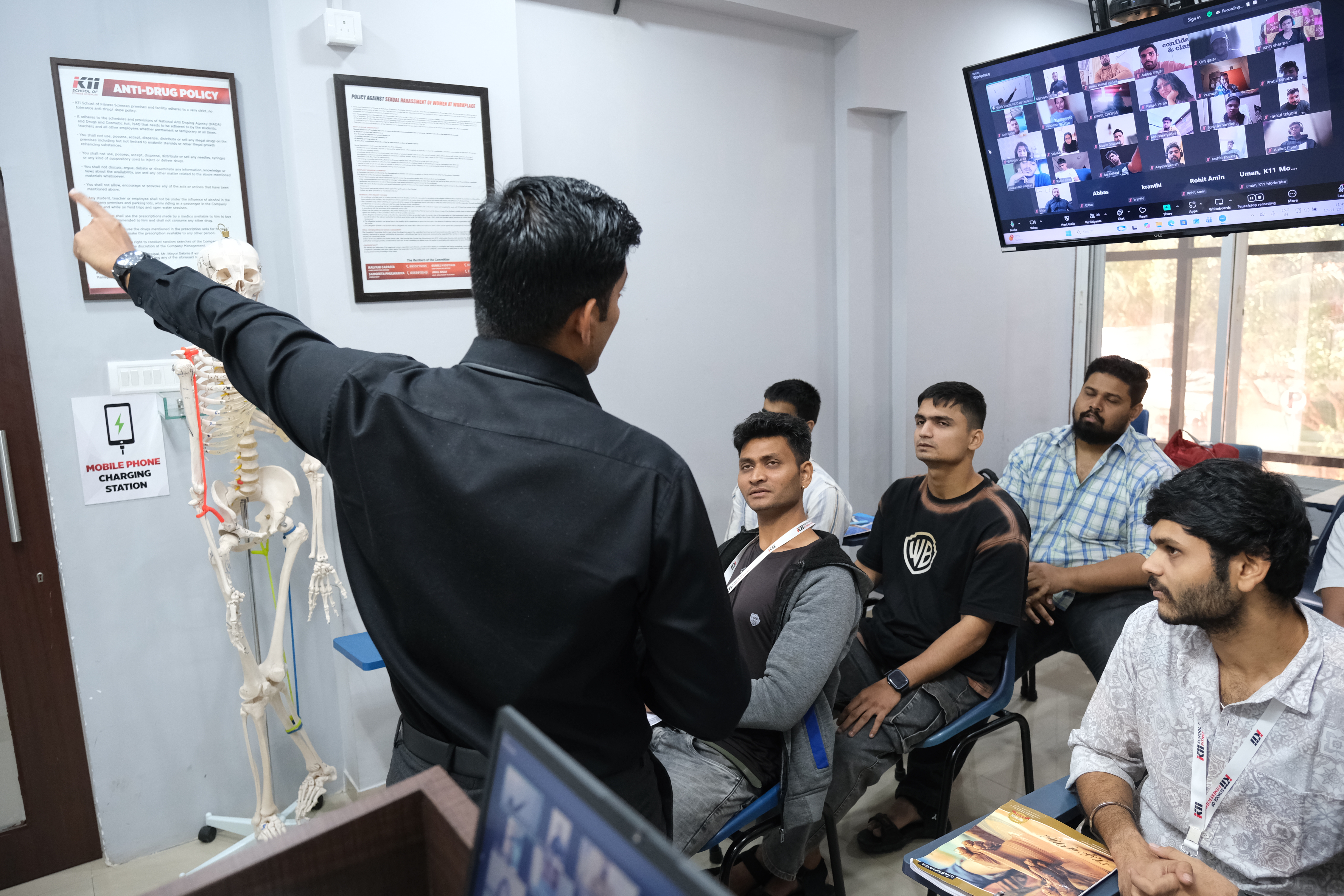
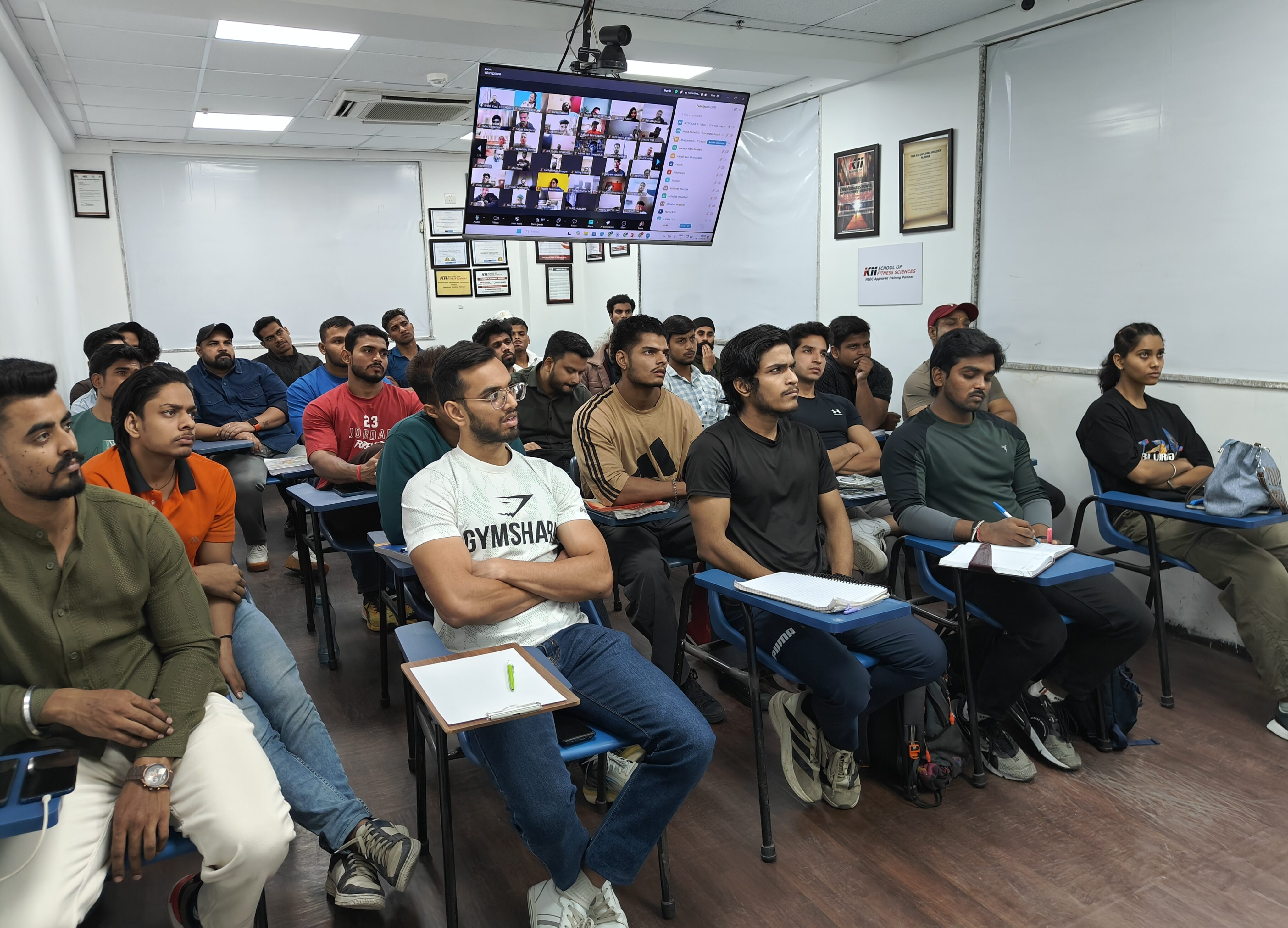
The programme is delivered in a blended format. Full face-to-face instruction is available at K11 Academies across India, with an online format available for students who cannot attend in person. Both options follow the same curriculum, the same assessment standards, and lead to the same certified qualification.
What You Will Learn in the HPN Course?
The HPN curriculum is structured around the three pillars of the K11 coat of arms: Curiosity, Knowledge, Application. Each module moves from foundational science into direct, supervised application. Every concept introduced in the classroom has a practised equivalent in the Exercise Lab or counselling session.
The eight module blocks and what each develops in the practising professional:
Foundations introduces the relationship between nutrition, fitness, and physical performance. Students build a working understanding of workload, intensity, and how the body responds to dietary input under varying conditions.
Macronutrients and Micronutrients covers protein, fats, carbohydrates, vitamins, and minerals in depth. This module addresses their biological functions, sources, digestion pathways, and how to calculate and adjust intake for individual client needs.
Nutritional Biochemistry for Real-World Use is where the science becomes applied. Students examine the hormonal regulation of body composition, the mechanics of hunger and satiety, and the calories-in-calories-out model. Bioenergetics across aerobic and anaerobic systems is covered in full. A nutritionist who cannot explain the biochemistry of a client’s plateau cannot design a plan to break it.
Supplement Science for Enhancing Performance addresses amino acids, performance-boosting supplements, pre-workout ingredients, and functional supplements. The module is evidence-based and equips students to evaluate supplement claims critically. This competency distinguishes a credentialled professional from a gym-floor recommendation.
Body Composition and Assessment Techniques develops the practical skill of measuring and interpreting body composition data, and translating that data into client goal-setting.
Personalised Nutrition Strategies covers macro calculations, structured meal planning, and an evidence-based review of popular dietary approaches. Students leave this module able to design nutrition programmes specific to a client’s physiology, goals, and lifestyle.
Transform Your Nutrition Consulting Practice covers the evolutionary and historical context of nutrition science, muscle gain protocols, and the professional frameworks needed to run a credible nutrition consultancy. This module addresses the business of nutrition practice, not only the science.
Principles of Cooking and Recipe Demonstration is a practical module led by expert chefs. It covers cooking techniques, food hygiene, and the nutritional impact of different preparation methods, with both lacto-ovo and non-vegetarian demonstrations. This is a module few nutrition certifications in India offer; it bridges the gap between dietary knowledge and what a client actually puts on the plate.
The curriculum is maintained in line with PD: Approval (UK) accreditation standards, ensuring that its content reflects current international practice.
Who Should Enrol and What Are the Eligibility Requirements?
The minimum eligibility requirement is completion of 10+2 from any recognised board. No prior qualification in nutrition is required. The curriculum builds from first principles, making it accessible to students entering the field for the first time as well as to working professionals expanding their credentials.
The HPN Certification is designed for four groups of candidates:
- Fitness trainers who hold a personal training certification and want to develop nutrition counselling as a formal, accredited competency. Not as an add-on, but as a structured second qualification that expands their service offering and professional standing.
- Career-switchers from corporate, banking, hospitality, or other sectors who are entering the fitness industry and want a rigorous, recognised qualification that establishes credibility from the start.
- Healthcare workers, including nurses, physiotherapists, and general practitioners, who want to integrate evidence-based nutrition practice into their existing clinical work, backed by a qualification rather than self-directed learning.
- Existing certified nutritionists who hold a prior certification and are seeking a higher accreditation standard that carries international portability and government recognition.
Eligibility Requirements
- Completion of 10+2 from any recognised board
- Minimum age: 18 years
- No prior nutrition qualification required
Why Practical and Face-to-Face Training Matters in Nutrition Education?
Nutrition counselling is a relational, applied skill. Designing a meal plan from a textbook is not the same as conducting a dietary assessment with a client who has competing lifestyle constraints, inconsistent adherence, and specific health conditions. The difference between knowing the science and applying it professionally is developed under supervision. That supervision requires physical presence.
The gap between content knowledge and practice-ready skill is exactly where many self-paced certifications fall short. A graduate who understands macronutrients but has never conducted a structured client intake and nutrition planning session is not employment-ready, regardless of their theory score.
K11’s blended model is built to close that gap. Across 153 face-to-face hours and 52 structured sessions, students practise dietary assessment, macro calculation in live scenarios, client counselling techniques, and nutrition plan design under the guidance of K11 Master Trainers.
The cooking demonstration module extends practical competence further. Students develop an understanding of how food preparation affects nutritional value, which is knowledge that directly improves the quality of advice they give clients.
Curiosity, Knowledge, Application: the three pillars of the K11 curriculum ensure that every concept introduced in the classroom has a direct, supervised equivalent in the Exercise Lab.
Course Structure, Duration, and Format
The Human Performance Nutrition Certification is completed over approximately six months. The programme comprises 52 sessions totalling 153 face-to-face learning hours, delivered at K11 Academies across India in full-time classroom and Exercise Lab settings.
The structure within those hours covers four components:
- Theory sessions use AV-equipped classrooms to deliver the science foundation: macronutrients, biochemistry, physiology, supplementation, and counselling frameworks.
- Practical sessions in the Exercise Lab apply that knowledge through dietary assessments, nutrition planning exercises, and supervised client interaction.
- Assignments throughout the programme reinforce application by requiring students to work through real-world nutrition scenarios.
- The programme concludes with a combined theory and practical examination, the latter covering structured nutrition planning.
Both face-to-face and online formats are available. Face-to-face students attend K11 Academies directly. Online students follow the same curriculum and examination structure through K11’s online delivery platform.
Career Outcomes After the HPN Certification
India’s fitness membership base is projected to grow from 12.3 million in 2024 to 23.2 million by 2030 (Deloitte India / HFA, 2025). Boutique fitness studios are the fastest-growing facility type, with an 18.8% projected CAGR through 2030. They are also the segment most likely to integrate nutrition services into their offering. Qualified nutrition professionals with credentialled expertise will be in consistent demand across this expansion.
Graduates of the HPN Certification move into the following roles:
Nutrition Consultant in private practice, designing personalised nutrition programmes for individual clients. This is the most common entry-level trajectory for HPN graduates building an independent practice.
Fitness and Nutrition Coach at premium gyms, boutique fitness studios, and specialist wellness facilities. Trainers who hold both a personal training certification and the HPN Certification are positioned for roles that command higher compensation than single-discipline practitioners.
Corporate Wellness Nutritionist, designing and delivering nutrition programmes for organisations investing in employee health. This sector is expanding as corporate wellness becomes a structured HR function rather than an occasional intervention.
Performance Nutritionist working with athletics programmes or individual athletes requiring structured dietary support for training and competition cycles.
Nutrition Educator and Wellness Coach on digital health and wellness platforms, where demand for credentialled content and personalised guidance is growing with the platform sector itself.
Industry estimates place entry-level certified nutritionists in India at INR 3 to 5 lakh per annum. Mid-career professionals at 5 to 7 years of experience typically earn INR 6 to 10 LPA. Specialists in corporate wellness or performance nutrition command higher packages depending on client base and scope.
K11’s placement record of 85% across 42,500 alumni reflects a consistent employer relationship built over two decades. 100% placement assistance is provided through K11’s active network of hiring partners.
Why Choose K11 for Your Nutrition and Dietetics Course?
K11 Fitness Academy has trained 42,500 students since 2003. That figure is one no vocational fitness institution founded after 2015 can match. Twenty years of programme delivery, examination refinement, and placement outcomes produce a quality of education that is fundamentally different from that of newer entrants. The HPN Certification carries that institutional weight.
The accreditation stack behind the programme is specific and verifiable:
PD:Approval (UK) Outstanding Grade, continuously since 2019 confirms that K11’s curriculum meets internationally benchmarked quality standards. This is an external audit, not a self-declaration.
ICREPs recognition across 10 countries means the HPN Certification carries portability for students who intend to practise internationally. The qualification earns professional recognition in each of those countries without requiring re-examination.
REPS India Approved Training Partner status confirms that K11’s programmes meet the standards of the Register of Exercise Professionals in India.
NSDC Approved Trainer Partner and SPEFL-SC affiliation places the HPN under the Skill India umbrella, with the NSQF Level-6 Sports Nutritionist certification awarded on completion. This is a government-recognised qualification. It is particularly relevant to any student for whom formal employment documentation matters.
K11’s faculty team comprises 45 or more specialists, with a 5:1 student-to-Master Trainer ratio maintained across practical sessions. That ratio is not a marketing claim. It is the structural constraint that ensures every student receives supervised, corrective feedback during practical nutrition counselling practice rather than passive observation.
The placement record stands at 85% across the student body, with 100% placement assistance provided through K11’s employer network. K11 holds the Centre of Excellence designation since 2020 and carries an NSDC mandate to contribute to 55,000 skilled fitness workers by 2028.
Choosing a nutrition and dietetics course is a career investment. The right course is the one whose credentials will be recognised by employers on day one of practice, and whose curriculum will hold up in a professional client setting. The HPN Certification is built to meet both tests.
Begin Your Nutrition and Dietetics Career with K11
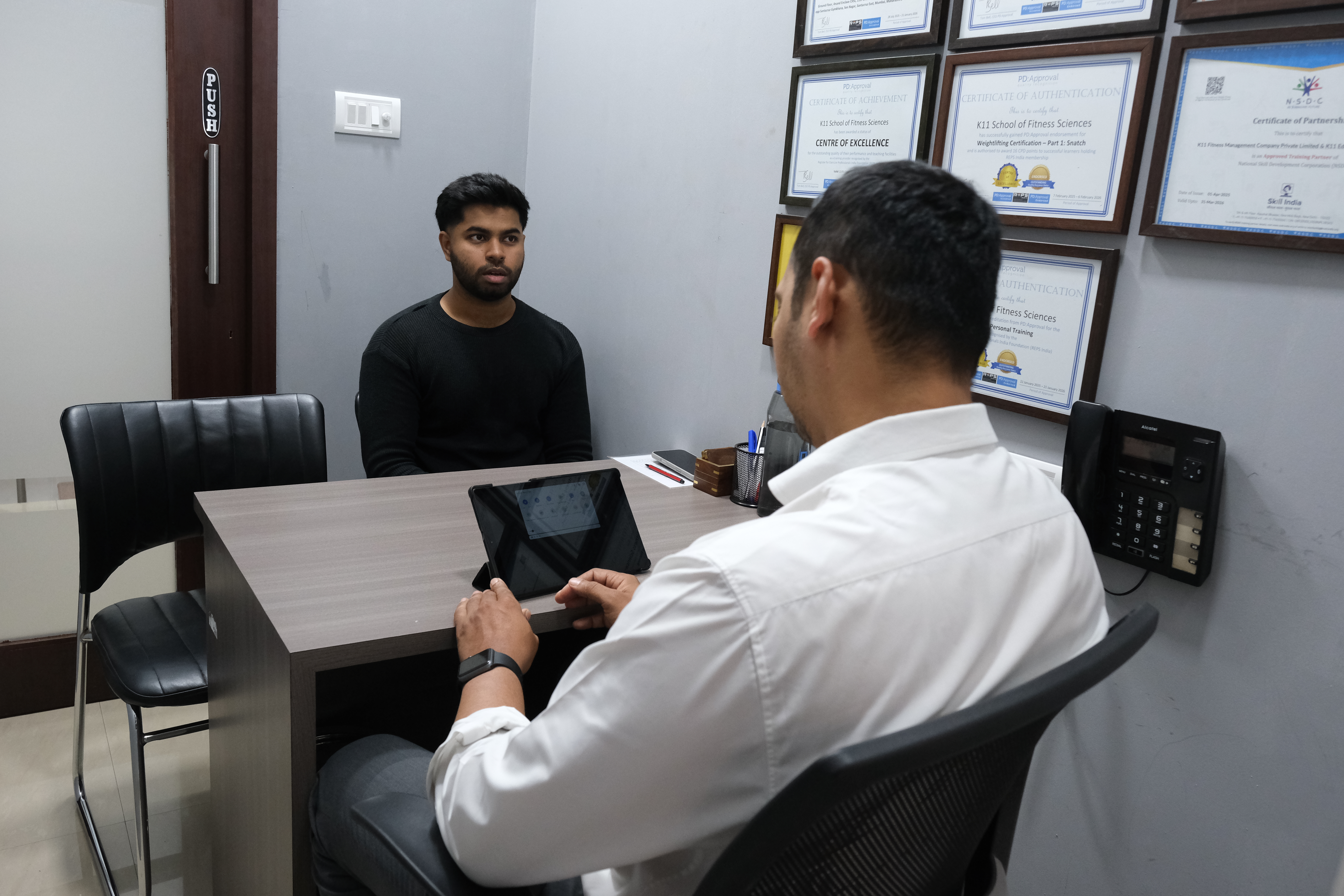
The Human Performance Nutrition Certification from K11 Fitness Academy carries PD:Approval (UK) Outstanding Grade, ICREPs recognition across 10 countries, and an NSQF Level-6 government certification under the NSDC. Across 153 face-to-face hours and 52 structured sessions, students develop the scientific knowledge and supervised practical competence to work as credentialled nutrition professionals from the day they graduate. Speak with a K11 course counsellor to understand which programme is the right fit for your background and goals.
Frequently Asked Questions
1. What is the difference between K11’s HPN Certification and a clinical dietetics degree?
A clinical dietetics degree is a formal academic qualification that trains dietitians to manage therapeutic diets in hospital and clinical settings, typically requiring three to five years of full-time undergraduate study. The K11 Human Performance Nutrition Certification is a vocational, practice-based qualification in the field of nutrition and dietetics, designed for fitness professionals and career-changers who want to provide evidence-based nutrition counselling in wellness, fitness, and performance contexts. The HPN does not qualify graduates to work as clinical dietitians in hospitals; it qualifies them to practise as certified nutrition professionals in fitness, wellness, and performance settings.
2. Who should enroll in the Human Performance Nutrition course, and what are the eligibility requirements?
The HPN Certification is designed for fitness trainers seeking a formal nutrition credential, career-switchers entering the fitness and wellness industry, healthcare workers integrating nutrition practice into their clinical work, and existing certified nutritionists seeking a higher accreditation level. The minimum eligibility requirement is completion of 10+2 from any recognised board. No prior qualification in nutrition is required. Students must be at least 18 years of age.
3. How long does the Human Performance Nutrition course take to complete?
The programme is completed over approximately six months, comprising 52 sessions and 153 face-to-face learning hours. Both face-to-face and online formats follow the same six-month structure and examination requirements.
4. What certifications and accreditations will I receive after completing the course?
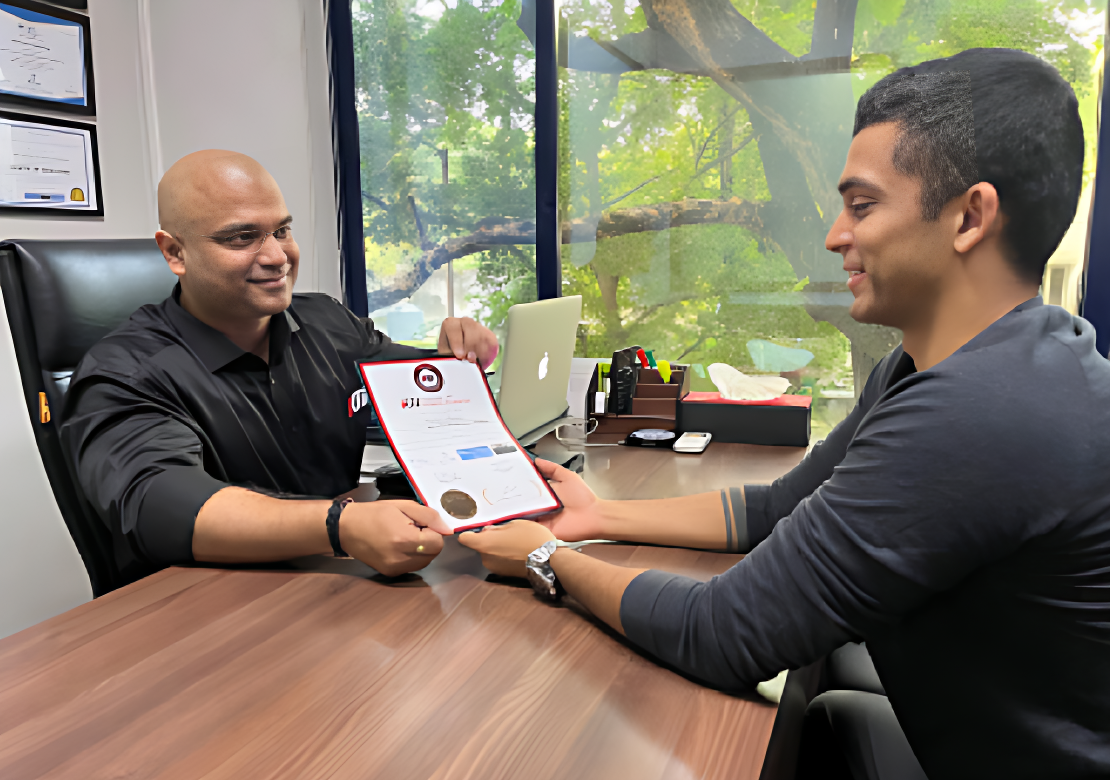
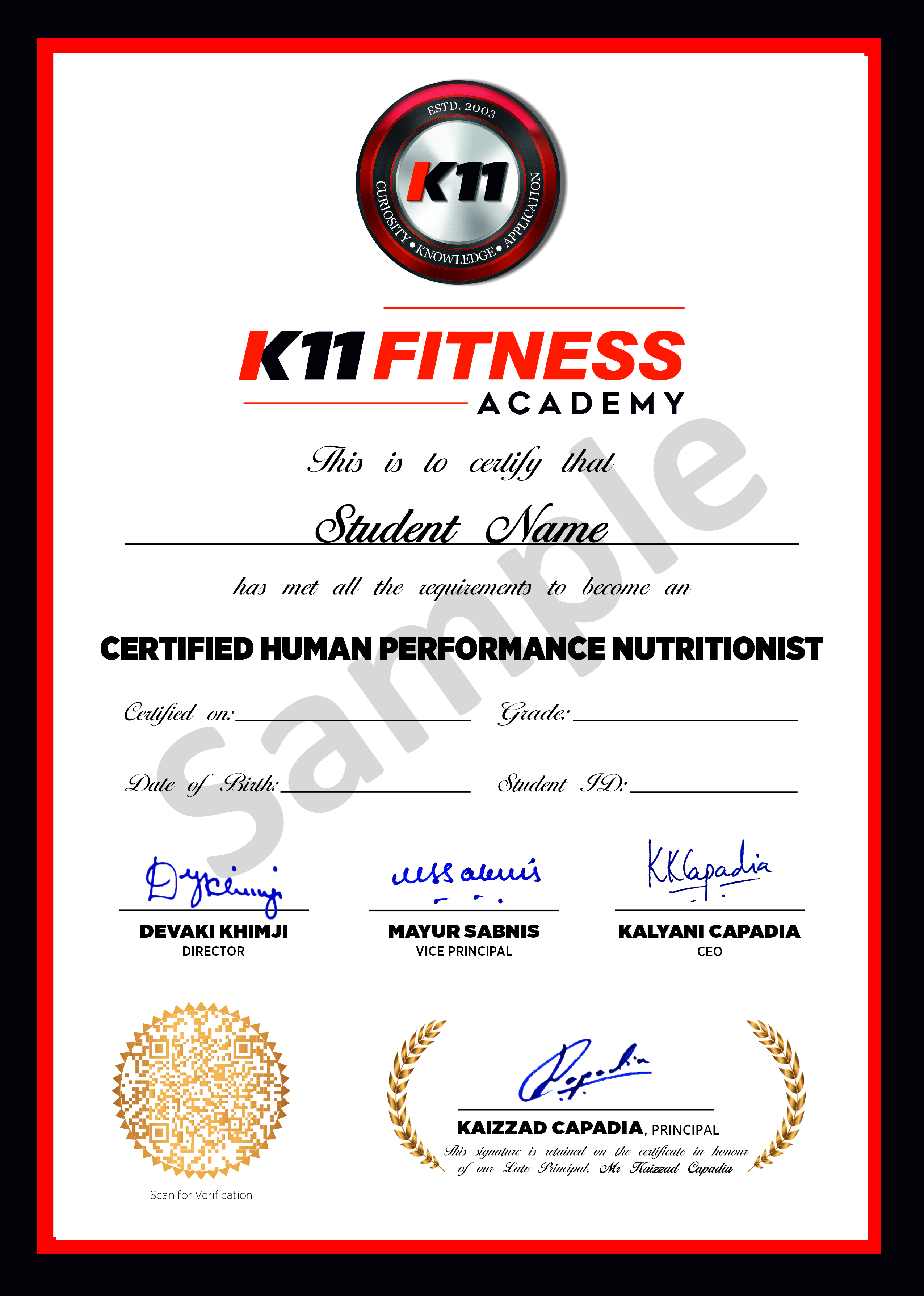
Upon successful completion, students receive two certifications: the K11 Certified Human Performance Nutritionist Certificate and the NSQF Level-6 Sports Nutritionist Certificate, issued under the NSDC and SPEFL-SC frameworks. The programme is accredited by PD:Approval (UK) at Outstanding Grade, affiliated with REPS India, and recognised through ICREPs across 10 countries.
5. Is K11’s nutrition and dietetics certification recognised internationally?
The HPN Certification holds ICREPs recognition, which grants professional portability across 10 countries. This means graduates who intend to practise internationally can have their K11 qualification recognised in each of those countries without re-examination. The PD:Approval (UK) Outstanding accreditation provides further external validation of the curriculum’s alignment with international quality standards.
6. What career opportunities are available after completing the HPN Certification?
HPN graduates typically move into roles including Nutrition Consultant in private practice, Fitness and Nutrition Coach at gyms and studios, Corporate Wellness Nutritionist, Performance Nutritionist, and Nutrition Educator on digital health platforms. Industry estimates place entry-level certified nutritionists in India at INR 3 to 5 LPA, with mid-career professionals at 5 to 7 years of experience earning INR 6 to 10 LPA. K11’s 85% placement rate across 42,500 alumni reflects consistent employer demand for HPN graduates.
7. Does K11 provide placement support after completing the nutrition course?
K11 provides 100% placement assistance to all graduates, connecting students with its active network of hiring partners across the fitness, wellness, and healthcare sectors. The 85% placement rate across K11’s alumni base reflects the effectiveness of this support. Placement assistance begins after successful completion of the programme and its examinations.
8. Is the nutrition and dietetics course available online, or is it face-to-face?
Both formats are available. The face-to-face format is delivered at K11 Academies across India, comprising 52 sessions and 153 hours of classroom and Exercise Lab instruction. The online format follows the same curriculum and examination structure. Both options lead to the same K11 HPN Certification and NSQF Level-6 qualification.